









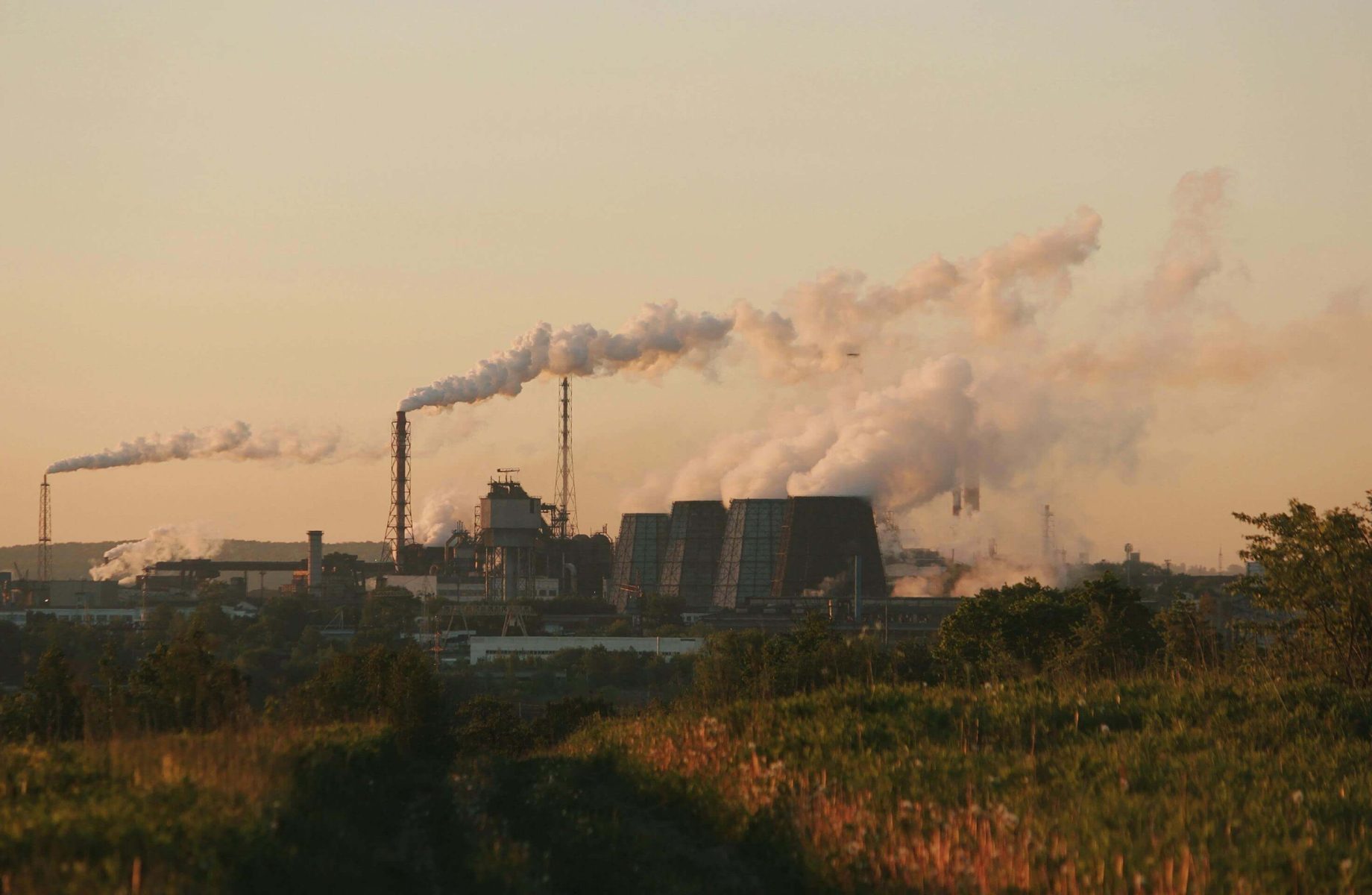
New Zealand’s greenhouse gas emissions increased by 0.9% in the March 2025 quarter, according to data released by Stats NZ.
The rise equals 176 kilotonnes compared to the previous quarter. The electricity sector was the main driver, with coal use rising as hydro generation declined.
Energy and Utilities Lead Rise in Quarterly Emissions Output
“The increase of 176 kilotonnes during this quarter was mainly driven by a rise in industry emissions, particularly from the electricity, gas, water, and waste services industry,” said Tehseen Islam, environment statistics spokesperson at Stats NZ.
While emissions rose, GDP increased by 0.8%, indicating continued economic performance alongside emissions growth.
Electricity and Waste Services Report Largest Emissions Growth Since 2012
The electricity, gas, water, and waste services industry recorded a 67.8% increase in emissions, adding 716 kilotonnes in the March 2025 quarter.
The figures shows it’s the largest quarterly rise since June 2012. “This rise in emissions from electricity, gas, water, and waste services was largely due to increased use of coal for electricity generation in this quarter,” Islam said. The sector’s GDP remained unchanged over the same period.
Low Hydroelectric Output Impacts Generation Mix and Emissions Profile
According to the Ministry of Business, Innovation and Employment (MBIE), hydroelectric generation was down 15.1% in the March quarter—the lowest level for a March quarter since 1987, and the lowest for any quarter since 2012. The hydro shortfall forced the sector to rely more heavily on coal-powered generation to meet demand.
MBIE’s New Zealand Energy Quarterly confirmed that hydro inflows were well below average during the period, reducing renewable supply at a critical time.
“A key factor of fluctuation in New Zealand’s total quarterly emissions is the variation in energy sources used for electricity generation,” Islam noted.
Industrial Output Remains Resilient Amid Sector-Wide Emissions Reductions
While the energy sector recorded a sharp emissions spike, other industries showed promising signs of reduced emissions alongside continued economic growth.
Emissions in manufacturing dropped 6.8% (137 kilotonnes), transport, postal, and warehousing declined 2.2% (38 kilotonnes), and construction fell 5.7% (27 kilotonnes). Notably, GDP in each of these sectors increased, suggesting more efficient and lower-emitting production methods are taking hold.
Household emissions also edged down 0.2% (5 kilotonnes), further isolating industry—particularly electricity generation—as the main driver of the overall emissions rise.
Energy Reliability and Infrastructure Under Scrutiny Amid Emissions Volatility
The latest emissions data has renewed attention on the role of energy reliability in managing environmental targets. Policymakers and industry stakeholders are pointing to the value of a flexible and diversified energy mix, with hydro generation affected by seasonal variability.