









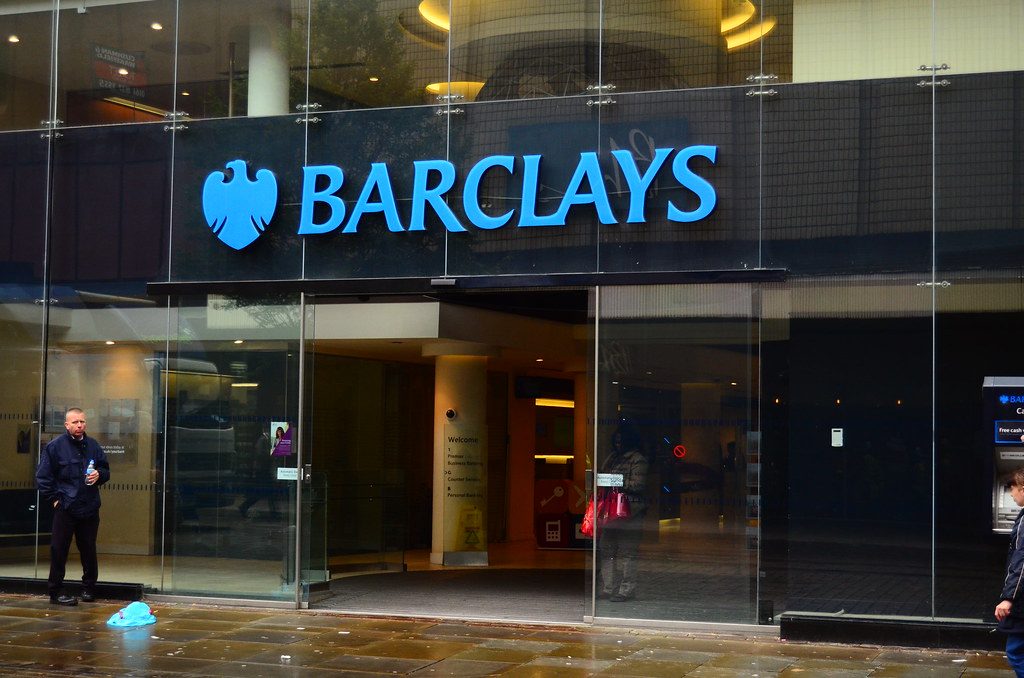
Barclays has surpassed profit expectations for the second quarter of 2025, driven by strong investment banking revenues amid market volatility. The British bank also announced a £1 billion share buyback, indicating confidence in its outlook.
For the quarter ending June 30, Barclays reported a pre-tax profit of £2.5 billion, beating the estimated £2.23 billion, with group revenues reaching £7.2 billion. The Common Equity Tier 1 capital ratio remained resilient at 14%, slightly up from 13.9% in the prior quarter.
Return on Tangible Equity was 13.2% for the first half of the year, just below the 14% recorded in Q1, while earnings per share increased from 8.3p to 11.7p. Investment banking income rose 10% year-on-year to £3.3 billion, bolstered by higher net interest and trading revenues that offset declines in fees and commissions.
These results show the impact of market turbulence following U.S. President Donald Trump’s tariff announcements, which caused sharp swings in equities and currencies. Other banks, including Deutsche Bank, JPMorgan Chase and Morgan Stanley, reported similar gains from trading activities.

Barclays has recently restructured its investment banking division, appointing Alex Ham as global chairman, reducing over 200 roles, and engaging McKinsey to identify further cost savings.
CEO C.S. Venkatakrishnan said, “We remain on track to achieve the objectives of our three-year plan, delivering structurally higher and more stable returns for our investors.”
“At its mid-point, the strategy has delivered half its target income growth, over half its U.K. risk weighted assets growth and two-thirds of its planned £2 billion in cost savings,” he added.
Challenges persist, including proposed changes to U.S. leverage rules that may raise competition in key markets, and a shifting UK banking landscape with Santander’s acquisition of TSB and NatWest’s return to private ownership.
Additionally, ongoing UK inflation may prompt the Bank of England to delay interest rate cuts, impacting banks’ net interest margins.