









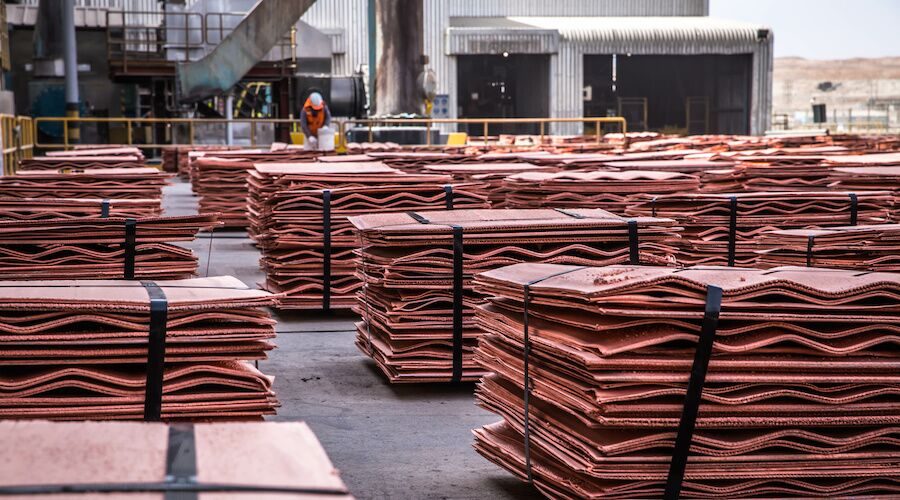
On Wednesday, President Donald Trump announced a 50% tariff on all copper imports to the United States, extending his administration’s protective trade measures previously applied to steel and aluminium. The new tariffs will take effect on Friday, according to a White House fact sheet.
The announcement triggered a sharp fall in copper prices, dropping as much as 18% in after-hours trading—the metal’s largest single-day decline since 1989. Shares in major copper producers Freeport-McMoRan and Southern Copper fell around 10% and 6%, respectively.
The administration justifies the tariffs as necessary to “address the threat to national security” and correct “trade imbalances” that harm American manufacturing.
However, experts warn that higher copper costs could raise prices on a wide range of goods, including construction materials and electronics, given copper’s vital industrial role.

The Tax Foundation has cautioned that these tariffs, combined with others on sectors like autos, timber, and pharmaceuticals, risk slowing U.S. economic growth. The United States imports nearly half of its copper, mainly from Chile, making it vulnerable to increased import costs.
Trade analysts also warn of possible retaliation from trading partners and wider disruptions to global markets. While the tariffs aim to protect domestic jobs, economists suggest they may ultimately increase production costs and reduce competitiveness.
As supply chains remain strained from geopolitical tensions and the pandemic, the challenge for policymakers is balancing national security with maintaining efficient international trade.