









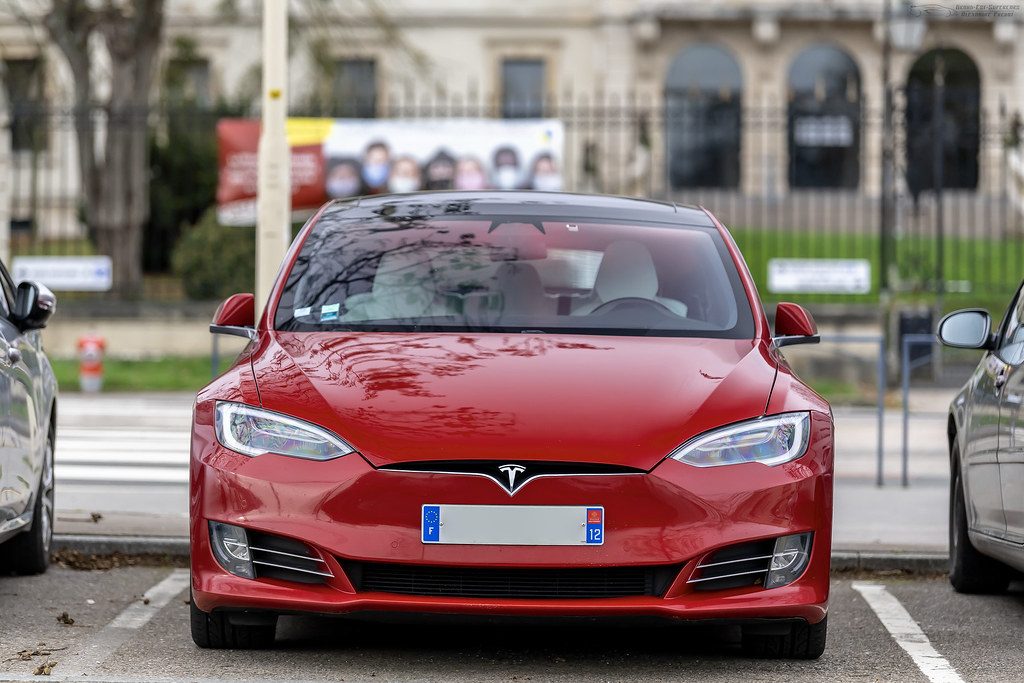
Tesla’s new car sales in July sharply declined in two of Europe’s largest markets, the UK and Germany, indicating mounting difficulties for the American electric vehicle maker in the region.
Data from the UK’s Society of Motor Manufacturers and Traders showed Tesla’s sales dropped nearly 60% to 987 units compared to 2,462 last year. In Germany, Tesla registrations fell by 55% to 1,110 vehicles in July, with total sales for the year down almost 58% to 10,000 units, according to the Federal Motor Transport Authority.
In contrast, Chinese EV manufacturer BYD experienced swift growth, more than quadrupling its UK sales to over 3,100 units and increasing sales in Germany by nearly 390% year-on-year. This shift shows growing consumer preference for competitive new entrants offering advanced technology and attractive pricing.
Tesla has been losing market share in Europe for six consecutive months, partly due to its focus on autonomous driving technology rather than affordable models suited to European buyers. Elon Musk’s controversial political affiliations have also impacted the company’s reputation and sales in the region.
Despite Tesla’s struggles, the overall European EV market is expanding strongly. Germany’s electric vehicle registrations rose by 58% in July, and UK battery electric vehicle sales grew by 9.1%, showing the competitive landscape where Tesla is losing ground to rivals.
Musk has warned of “a few rough quarters” ahead due to rising tariffs and the end of U.S. federal tax credits for EVs.
Meanwhile, BYD’s blade battery technology and hybrid models, along with increased activity from other Chinese brands like Nio and Xpeng, are intensifying competition. Tesla’s future success in Europe will depend on its ability to adapt to changing consumer demands and regulatory challenges in this evolving market.