









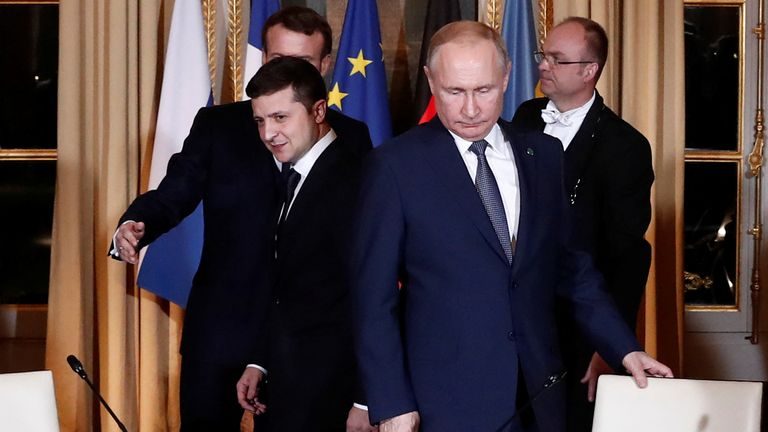
Sergey Lavrov, the Russian foreign minister, has confirmed that there are no immediate plans for a meeting between President Vladimir Putin and Ukrainian President Volodymyr Zelenskyy. Despite widespread speculation and earlier suggestions of a potential summit, Lavrov indicated that crucial preparations have yet to be completed before any such encounter can take place.
Speaking during an interview aired on NBC News’ “Meet the Press” on Sunday, Lavrov stated, “Putin is ready to meet with Zelenskyy, when the agenda would be ready for a summit.” He added firmly, “And this agenda is not ready at all,” indicating that the key topics and conditions necessary for productive dialogue remain unresolved.
These comments follow earlier assertions by U.S. President Donald Trump, who claimed that arrangements were underway for the two leaders to meet.
After holding separate discussions with Putin in Alaska and Zelenskyy at the White House, Trump posted on his Truth Social page on August 18, “I called President Putin, and began the arrangements for a meeting, at a location to be determined, between President Putin and President Zelenskyy.”
Such a meeting, if it occurred, would represent a diplomatic achievement amid the protracted conflict.
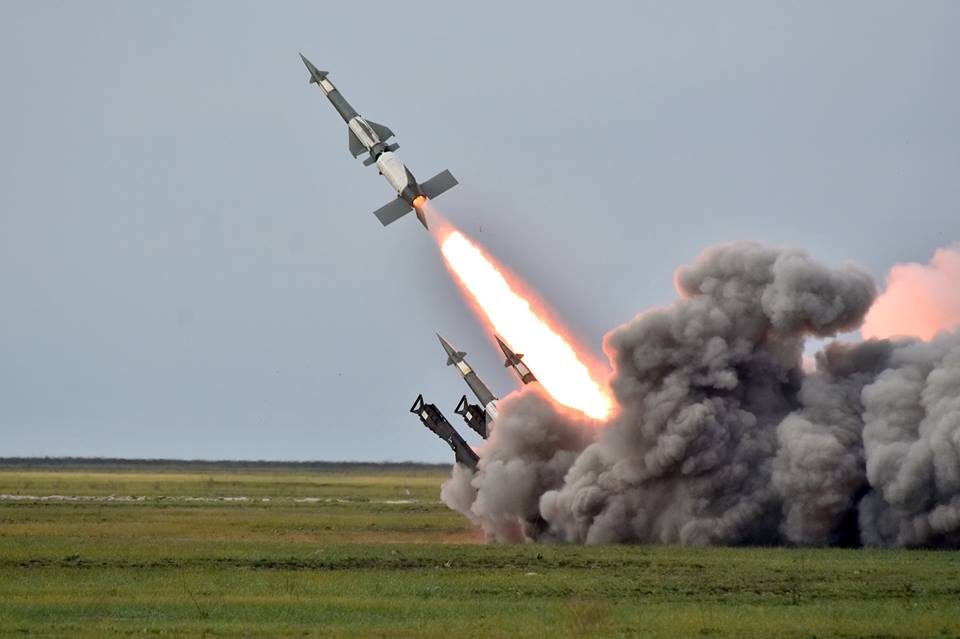
Nevertheless, the ongoing situation in Ukraine tells a more complex story. Russian forces continue to carry out missile strikes across Ukrainian territory, including a recent assault on an electronics factory owned by a US-based company. The sustained hostilities show the difficulties in shifting from conflict to constructive peace negotiations and cast doubt on the possibility of a near-term breakthrough.
Experts point out that, while diplomatic efforts are indispensable, persistent violence severely undermines trust between Moscow and Kyiv. The absence of a shared agenda demonstrates profound differences over fundamental issues such as territorial sovereignty, security arrangements, and sanctions.
When asked for a response, the White House did not immediately comment on Lavrov’s statements or the status of peace talks. However, U.S. Vice President JD Vance expressed guarded optimism during his own interview on “Meet the Press,” emphasising that active diplomacy remains central to efforts to end the war.
“We’re going to eventually be successful, or we’ll hit a brick wall,” he said. “And if we hit a brick wall, then we’re going to continue this process of negotiation, of applying leverage.”