









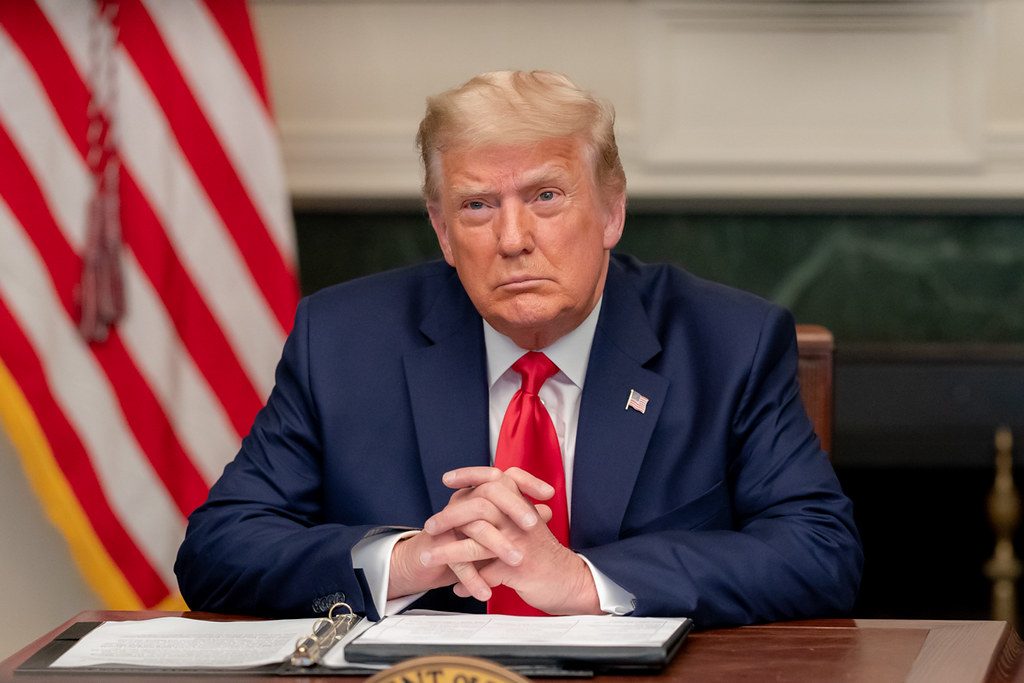
President Donald Trump warned on Monday that the United States might impose tariffs as high as 200% on China if it restricts exports of rare-earth magnets.
Speaking after a White House meeting with South Korean President Lee Jae Myung, Trump said, “They have to give us magnets, if they don’t give us magnets, then we have to charge them 200% tariffs or something.”
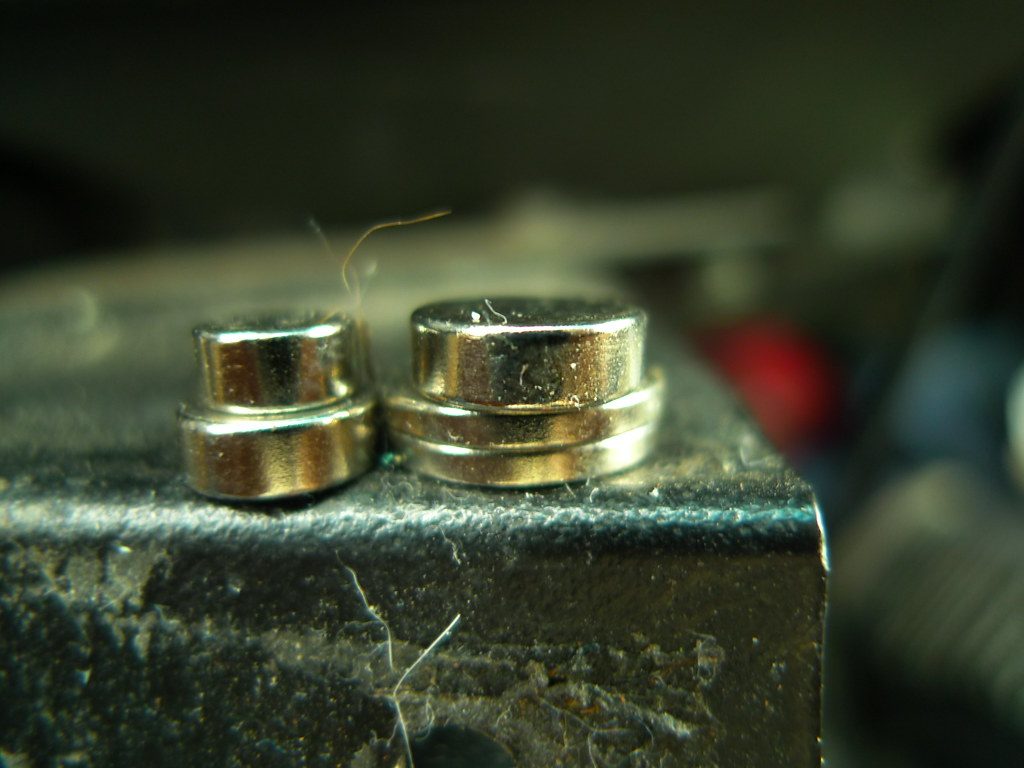
Rare-earth magnets are essential for American industries such as electric vehicles, electronics, and renewable energy. China dominates around 90% of the global supply chain, from mining to production, giving it leverage in trade talks.
Trump also highlighted aerospace as a bargaining chip, stating, “200 of their planes were unable to fly because we were not giving them Boeing parts purposely because they weren’t giving us magnets.” Boeing is reportedly close to finalising a deal to sell up to 500 aircraft to China.
Despite export restrictions imposed by China in April, shipments of rare-earth magnets to the U.S. have rebounded strongly, with a 660% increase in June and a further 76% rise in July.
Henry Wang of the Centre for China & Globalisation described Trump’s comments as “bluffing,” adding, “He always talks big on tariffs or potential punishment, but we shouldn’t get caught up in the rhetoric.”
In June, the U.S. and China agreed on a trade framework that eased rare-earth export controls and rolled back some U.S. tech restrictions. Tariffs on each other’s goods are set to be reduced but the temporary truce is due to expire in mid-November.
Senior Chinese trade negotiator Li Chenggang is scheduled to visit Washington this week to meet U.S. officials, possibly setting the stage for further talks.
While the U.S. strives to diversify rare-earth supply chains through domestic mining and alternative suppliers, China’s dominance remains a challenge, especially in advanced manufacturing and defence sectors.