









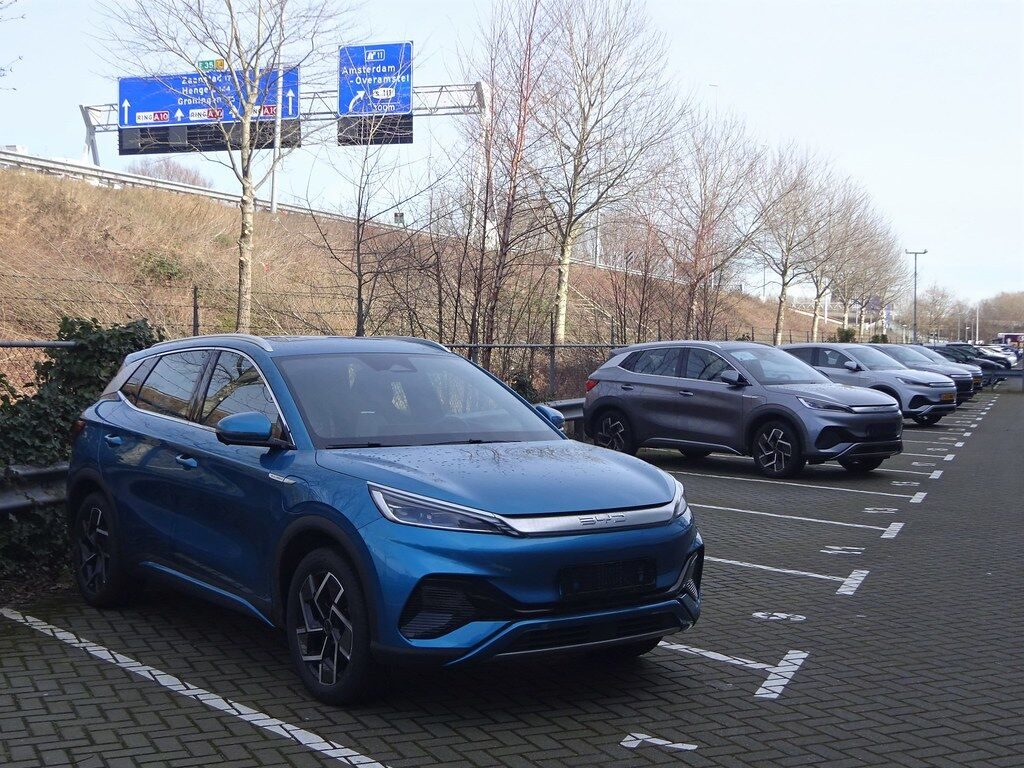
Tesla’s sales in Europe have declined sharply, with new car registrations dropping 40% year-on-year in July, marking seven months of continuous decrease. In contrast, Chinese electric vehicle maker BYD saw registrations triple during the same period, indicating a shift in the European EV market.
Data from the European Automobile Manufacturers Association (ACEA) shows Tesla recorded 8,837 new registrations in July, while BYD reached 13,503, an impressive 225% increase. This occurred despite overall growth in battery electric car sales across Europe.
Tesla faces multiple challenges in the region, including fierce rivalry and damage to its brand image linked to Elon Musk’s controversial statements and political associations. Globally, Tesla’s vehicle sales revenue also fell in the second quarter of 2025, with Musk warning of “a few rough quarters” ahead.
One issue for Tesla is the ageing of its vehicle range. The company plans to release a more affordable EV with volume production slated for late 2025, a move investors hope will revive sales.
Thomas Besson, head of automobile research at Kepler Cheuvreux, said, “Tesla management has been trying to convince investors that Tesla is not really a car company,” focusing on artificial intelligence and robotics instead.
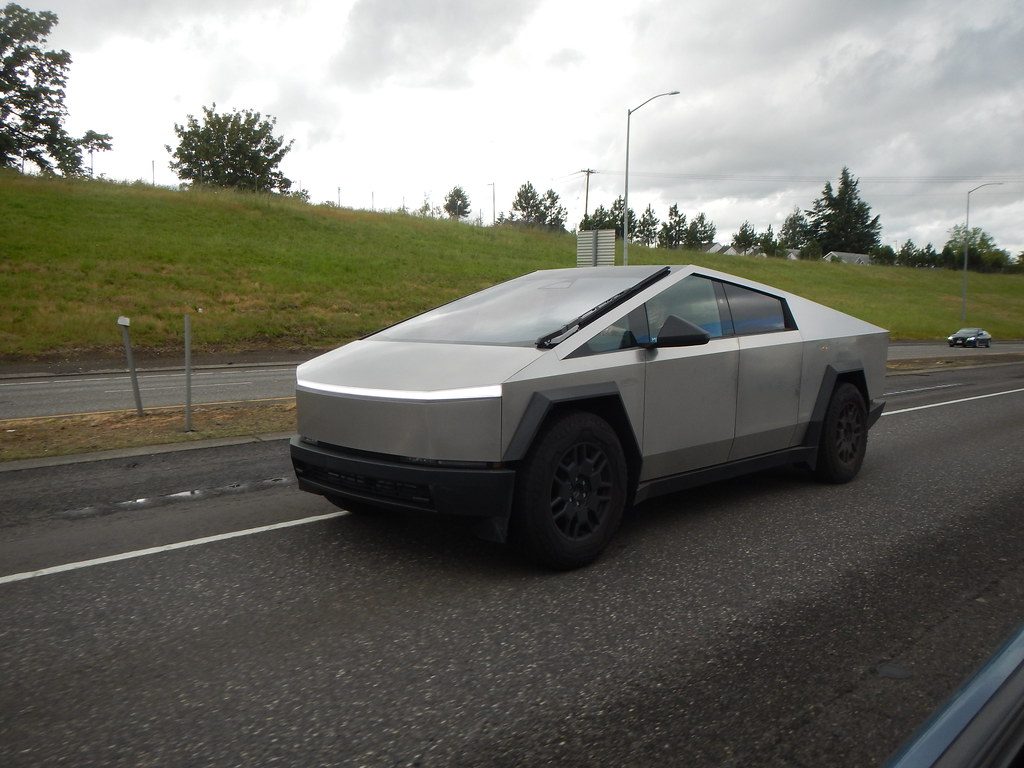
“They talk about almost everything else but the car they’re selling at a slower pace now because effectively, the age of their vehicle is much higher than the competition and the latest products have not been as successful as hoped, notably the Cybertruck,” he added.
At the same time, Chinese brands like BYD have expanded aggressively in Europe, opening showrooms and offering competitively priced vehicles. JATO Dynamics data shows Chinese EVs captured over 5% of the European market in the first half of 2025, a record high.
Tesla isn’t alone in facing pressures: Stellantis, Hyundai, Toyota, and Suzuki also experienced year-on-year declines in European new car registrations in July, while Volkswagen, BMW, and Renault reported growth.