









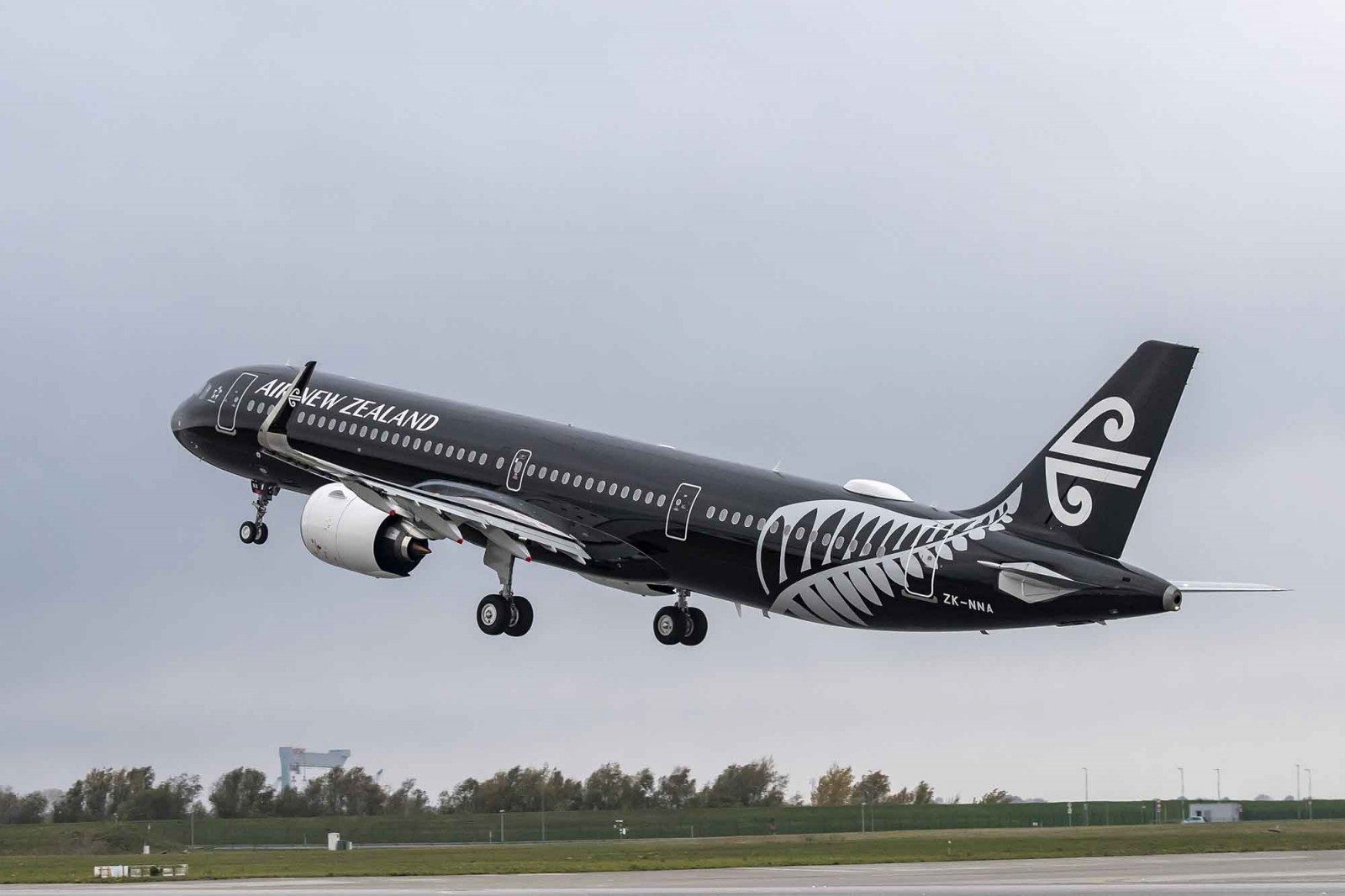
Outgoing chief executive Greg Foran says Air New Zealand passengers should anticipate a 5% rise in airfares soon to help cover rising costs.
The announcement was made as the airline reported a profit of $126 million for the year ending in June, down from $146 million the previous year. Air NZ said this was due to weak demand and ongoing engine maintenance and aircraft supply issues.
The underlying profit was $189 million compared to $222 million, while revenue increased slightly to $6.8 billion from $6.75 billion.
The final dividend was set at 1.25 cents per share.
The airline stated it has had to manage reduced passenger numbers, with more than 10 planes often grounded for engine maintenance, alongside increasing fuel and regulatory costs.
Foran explained that at times, up to six narrowbody and five widebody aircraft were out of service primarily due to engine maintenance problems, which impacted the outcome.
“While the airline received $129 million in compensation from engine manufacturers, it estimates earnings before taxation of $189 million could have been approximately $165 million higher had the fleet operated as intended,” he said.
“We acted early and decisively, securing additional engines and aircraft, and optimising our schedule to keep customers moving.”
“While this came at a significant cost, it was the right decision to deliver for our customers and maintain network stability.”
Qantas reports profit increase
Qantas Group has reported a profit of A$1.61 billion ($1.78 billion) for the most recent financial year, representing a 28% rise compared to the prior year.
“Qantas continued to benefit from the return of business-purpose travel, with corporate travel almost back to pre-Covid levels domestically, showing that Zoom and Teams meetings have not ended face-to-face business meetings,” Qantas Group chief executive Vanessa Hudson said.
Qantas also expressed worries about the effects of high inflation.
“Despite the strong performance across the group, we saw some costs rise above the rate of inflation, which reduced the benefits of lower fuel,” Hudson said.