









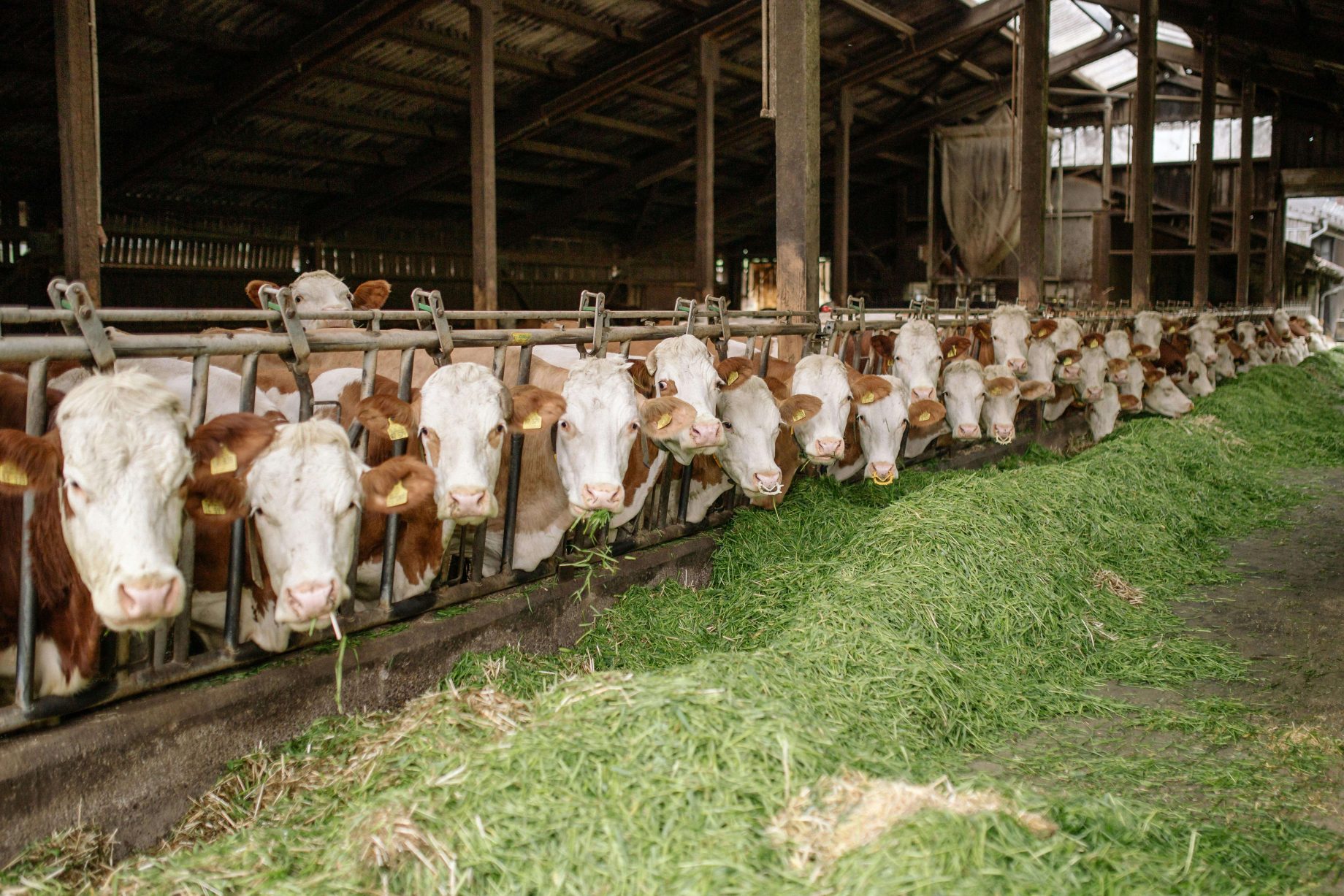
A new grass-fed certification scheme officially launched at Fieldays is drawing interest from exporters seeking to access premium international markets. The voluntary programme, supported by the New Zealand Government, targets dairy and red meat products, with a strategic focus on China.
Verifying Grass-Fed Claims to Strengthen Global Market Access
According to Trade Minister Todd McClay, the initiative was prompted by international competition seen at last year’s China International Import Expo.
“What we decided in discussion with the dairy and meat sector is to make that claim we need to back it up with the government that says here is a certificate, or here is a stamp that says if you want to use the word grass fed anywhere around the world, in this case in China, this is what it means.”
Competing in a Crowded Red Meat Export Market
New Zealand continues to lean on its grass-fed story as a market differentiator. However, Silver Fern Farms CEO Dan Boulton warned of increasing competition. “Red meat was cluttered with a bunch of other items,” he said. “For context, what New Zealand puts into China for a whole year, South America does in one week.”
Prioritising China While Expanding Global Trade Relationships
Aotearoa remains New Zealand’s top trading partner despite geopolitical tensions and slowing retail growth in China — which slipped to 4.8% from 6.4% in May. Exports to China totalled $21.5 billion last year.
Luxon emphasised the importance of what he called the “China and” strategy. “There’s so much more to do together, and at the same time, we will continue to build new relationships around the world as well.” He signalled more ministerial trade missions were in the pipeline.
China’s Health Agenda to Grow Dairy Exports
Fonterra sees enormous potential tied to China’s “Healthy China 2030” plan, which encourages higher dairy intake. “That alone has the potential to increase Chinese dairy consumption by 700,000 tonnes by 2030. That is a very big number,” said Fonterra’s global ingredients president Richard Allen.
Fonterra is particularly bullish on China’s foodservice sector, where quality and farming methods are becoming more important to consumers. “It started with quality, and it’s shifted into what are the attributes in the way in which the product is farmed.”
Scaling Up Kiwifruit Exports to Meet Long-Term Demand in China
The exporter shipped 1.5 billion kiwifruit to the country in 2024 and is aiming to grow that to 1.7 billion by 2025. CEO Jason Te Brake confirmed the goal is to double the company’s presence in the market over the next ten years. “We have a great level of confidence about the level of opportunities ahead of us in China.”
“We just get on with it,” he said. “We’re investing for the long term. We think the growth there is great.”