










Porsche, the renowned German manufacturer of sports and luxury vehicles, is set to be removed from Germany’s premier stock market index, the DAX, following a sustained fall in its share price. The move displays ongoing challenges facing European automakers amid the impact of American import tariffs.
On Wednesday, STOXX Ltd, the company responsible for managing the composition of the DAX, announced that Porsche will be replaced by Scout24, a digital real estate listings platform, as part of a routine reshuffle scheduled for September 22. In turn, Porsche will move to the MDAX index, which tracks medium-sized firms in Germany.
The decline in Porsche’s share value is widely linked to the 25% tariffs imposed by the United States on vehicles imported from the European Union, stemming from trade policies enacted under President Donald Trump. These tariffs have raised costs for European carmakers and complicated their access to the U.S. market, weighing on investor sentiment.
Having debuted on the DAX following its initial public offering in September 2022, Porsche’s stock has lost over a third of its value in the past year. The company has responded by repeatedly lowering its earnings forecasts, highlighting not only the effects of U.S. tariffs but also weaker demand in key regions such as China, alongside slower-than-anticipated progress in shifting to electric mobility.
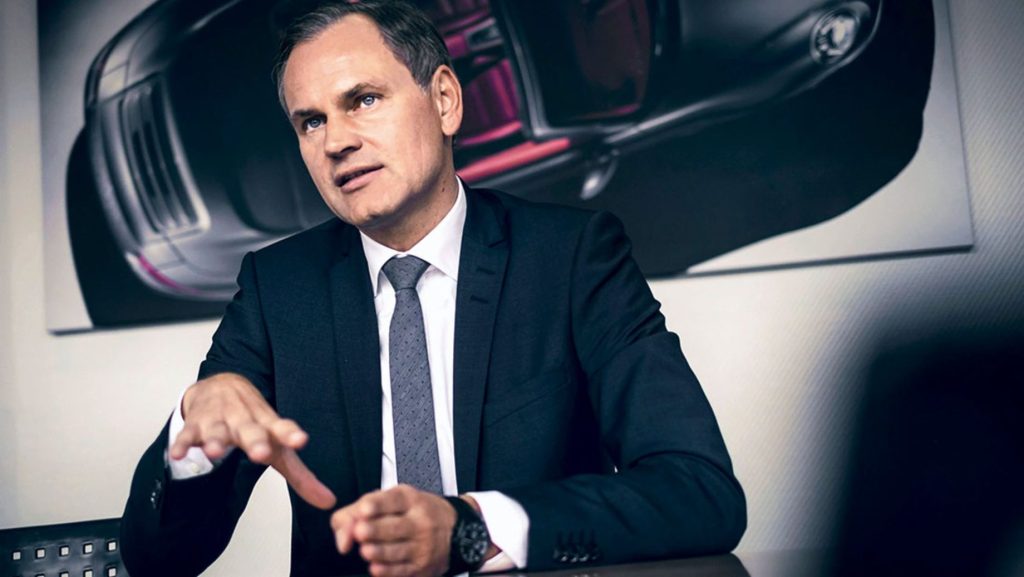
Speaking to the German newspaper Frankfurter Allgemeine Zeitung (FAZ), Porsche CEO Oliver Blume remarked, “We want to return to the DAX as soon as possible.”
He also noted that the company’s removal from the index was due in part to “technical factors” related to the criteria for index inclusion, rather than purely operational performance.
The European automotive sector continues to grapple with the ramifications of trade tensions. Industry analysts point out that the tariffs have increased production costs and disrupted supply chains, leading many manufacturers to revise export plans or invest more heavily in electric vehicle technology.
While some have managed to soften the impact by locating production closer to target markets, others, including Porsche, face ongoing headwinds.
Despite these difficulties, Porsche remains committed to its strategy focused on innovation and electrification, seeing it as essential for securing future growth in a market increasingly focused on sustainability and environmental standards.