









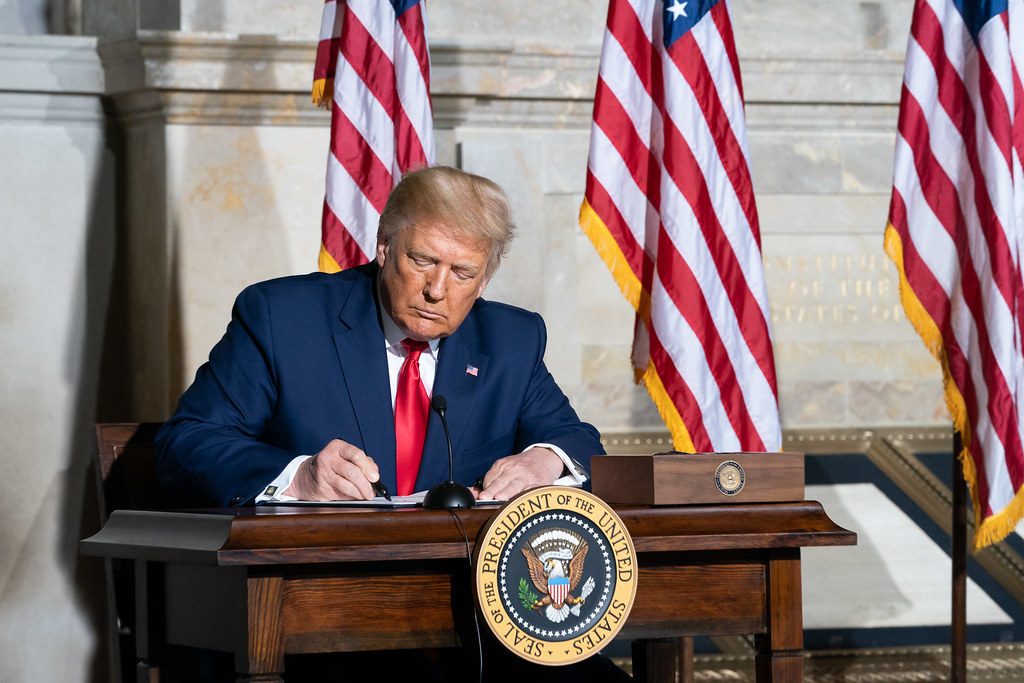
President Donald Trump has announced a major trade agreement between the United States and the European Union, reached after intense talks with European Commission President Ursula von der Leyen, just before the August 1 tariff deadline.
The deal imposes a 15% tariff on most European goods entering the U.S., notably including cars. However, certain products such as aircraft, pharmaceuticals, and some chemicals are exempt. Von der Leyen clarified that the 15% tariff will not be added on top of existing duties.
This rate is a compromise between Trump’s earlier threat of 30% tariffs and the EU’s hope for only 10%. In return, the EU pledged to buy $750 billion in U.S. energy products and invest an additional $600 billion in the U.S. economy. Trump also said “hundreds of billions of dollars worth of military equipment” would be purchased by the bloc, although no specific figures were given.
“It’s a very powerful deal, it’s a very big deal, it’s the biggest of all the deals,” Trump said alongside von der Leyen, who called it “a good deal, it’s a huge deal, with tough negotiations.”
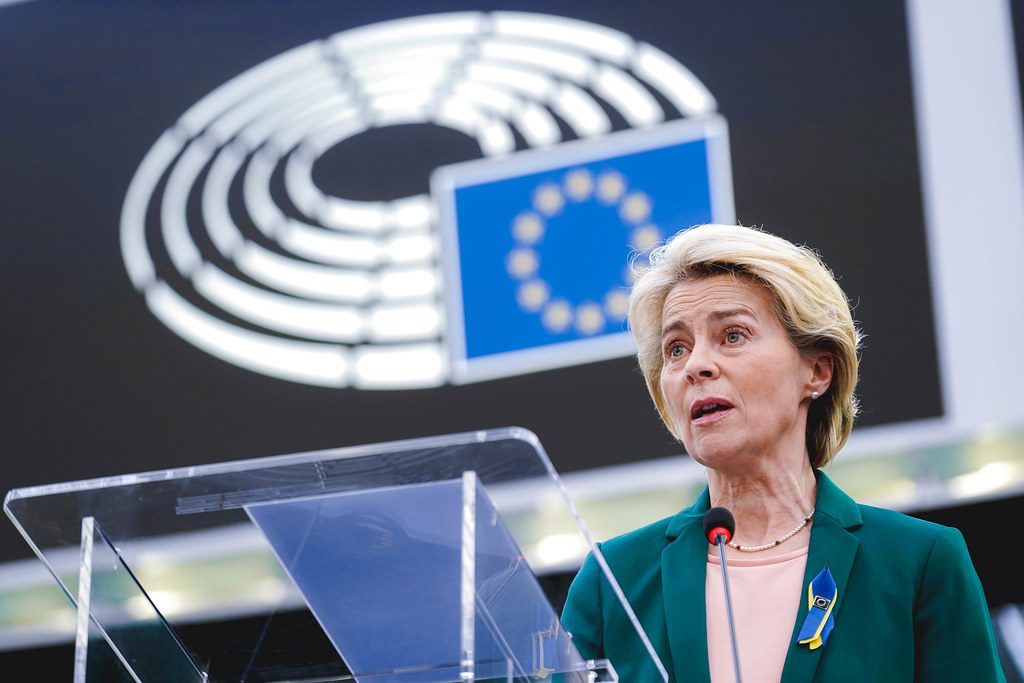
European leaders welcomed the accord but voiced some caution. Ireland’s Prime Minister Micheál Martin noted it brought “clarity and predictability” but admitted tariffs would make trade “more expensive and more challenging.”
German Chancellor Friedrich Merz praised the avoidance of a damaging trade war and highlighted the reduction of auto tariffs from 27.5% to 15% as vital for Germany’s industry.
Dutch Prime Minister Dick Schoof acknowledged that while “no tariffs would have been better,” the deal offers “more clarity for our businesses and brings more market stability.”
Italy’s Prime Minister Giorgia Meloni said the agreement ensures stability and helps avoid “a direct clash between the two sides of the Atlantic,” describing the 15% tariff as “sustainable” if not additive.
The U.S.-EU trade relationship was valued at €1.68 trillion in 2024, with the EU holding a goods surplus but a services deficit, leaving an overall surplus of about €50 billion.
Markets reacted positively to the announcement, relieved by the avoidance of a trade war. Still, uncertainties remain regarding the detailed timeline for EU investments and the impact of the tariffs, especially for key sectors like automotive manufacturing and pharmaceuticals.