









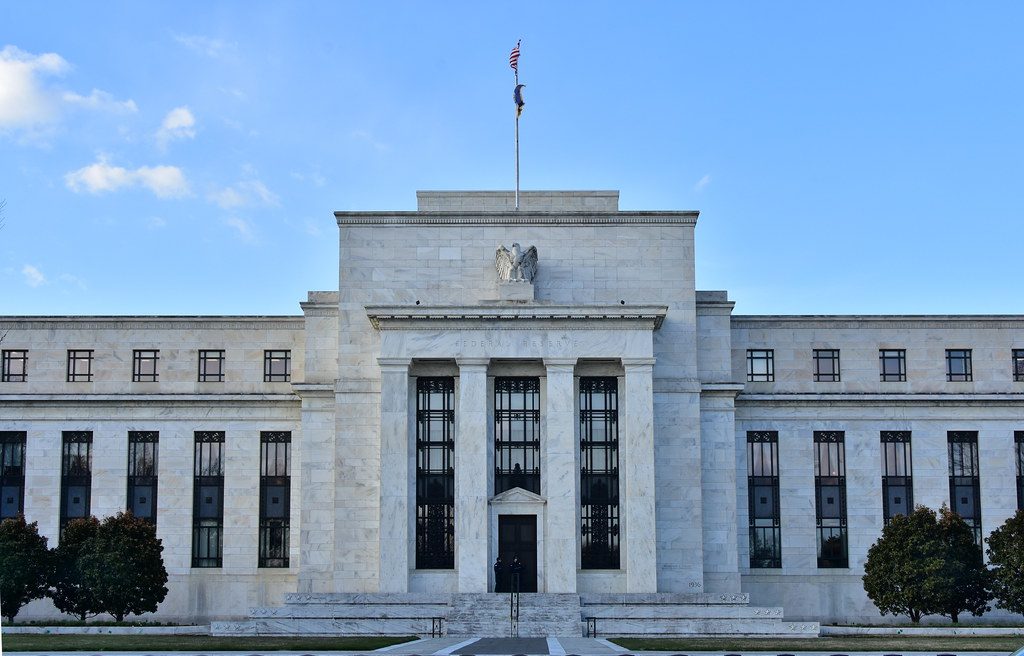
President Donald Trump announced on Tuesday that he expects to soon hold a majority on the Federal Reserve’s Board of Governors, which he says will allow him to push for lower interest rates. This came during a White House Cabinet meeting, shortly after he moved to dismiss Federal Reserve Governor Lisa Cook, an appointee of Former President Joe Biden.
Trump currently has two of the seven seats on the Fed board and plans to nominate a third to replace Adriana Kugler, who retired earlier this year. He has chosen Stephen Miran, one of his senior economic advisers, to complete Kugler’s term, which runs until January 2026.
“We’ll have a majority very shortly. So that’ll be great,” Trump said.
“Once we have a majority, housing is going to swing, and it’s going to be great,” blaming high interest rates for holding back the housing market. “People are paying too high an interest rate. That’s the only problem with us. We have to get the rates down a little bit.”
Trump also criticised Fed Chair Jerome Powell, who has resisted calls for steep rate cuts to control inflation. “Because of him and his high interest rates, the housing is less than it could be,” Trump said. “We’re going to get that straightened out very quickly.”
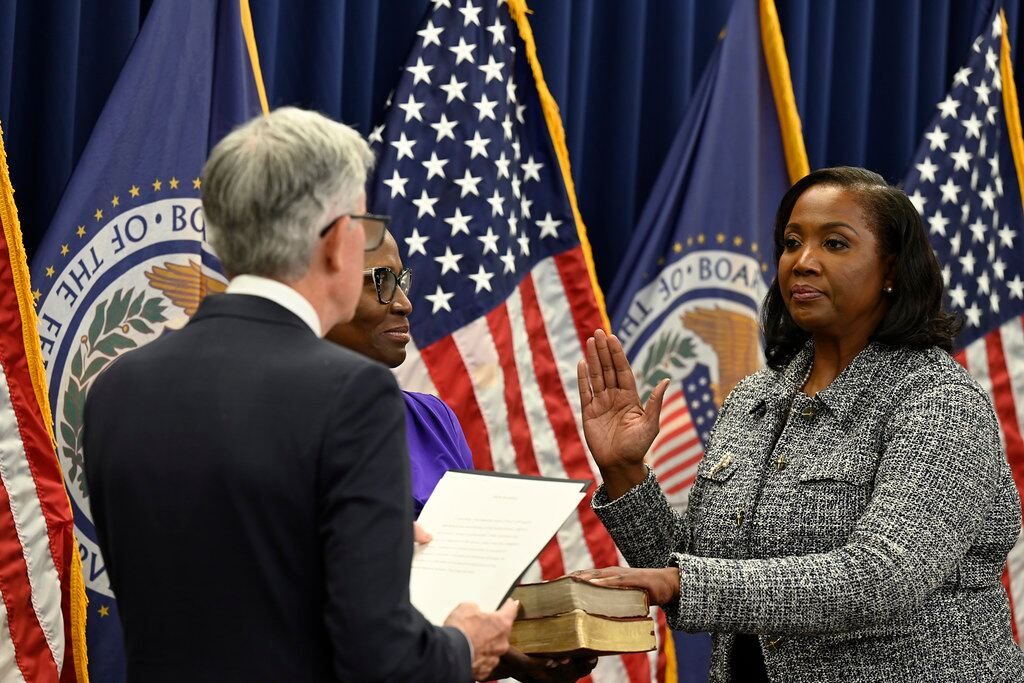
The dismissal of Cook is unusual, with Trump citing a Department of Justice investigation into Cook’s mortgage dealings as justification. Cook’s lawyers announced plans to file a lawsuit to prevent her removal.
The Federal Reserve later said Cook intends to seek a court ruling to continue serving and reaffirmed its commitment to “abide by any court decision.” The Fed emphasised the importance of governor independence, stating that removal protections ensure decisions are based on economic analysis and the long-term interests of the American people.
When questioned about the Fed’s statement, Trump replied, “I’d abide by the court.” White House spokesman Kush Desai said Trump “exercised his lawful authority to remove a governor on the federal board of governors for cause.”
The Fed’s board is designed to be insulated from political pressures, with governors serving staggered 14-year terms to maintain stability.