









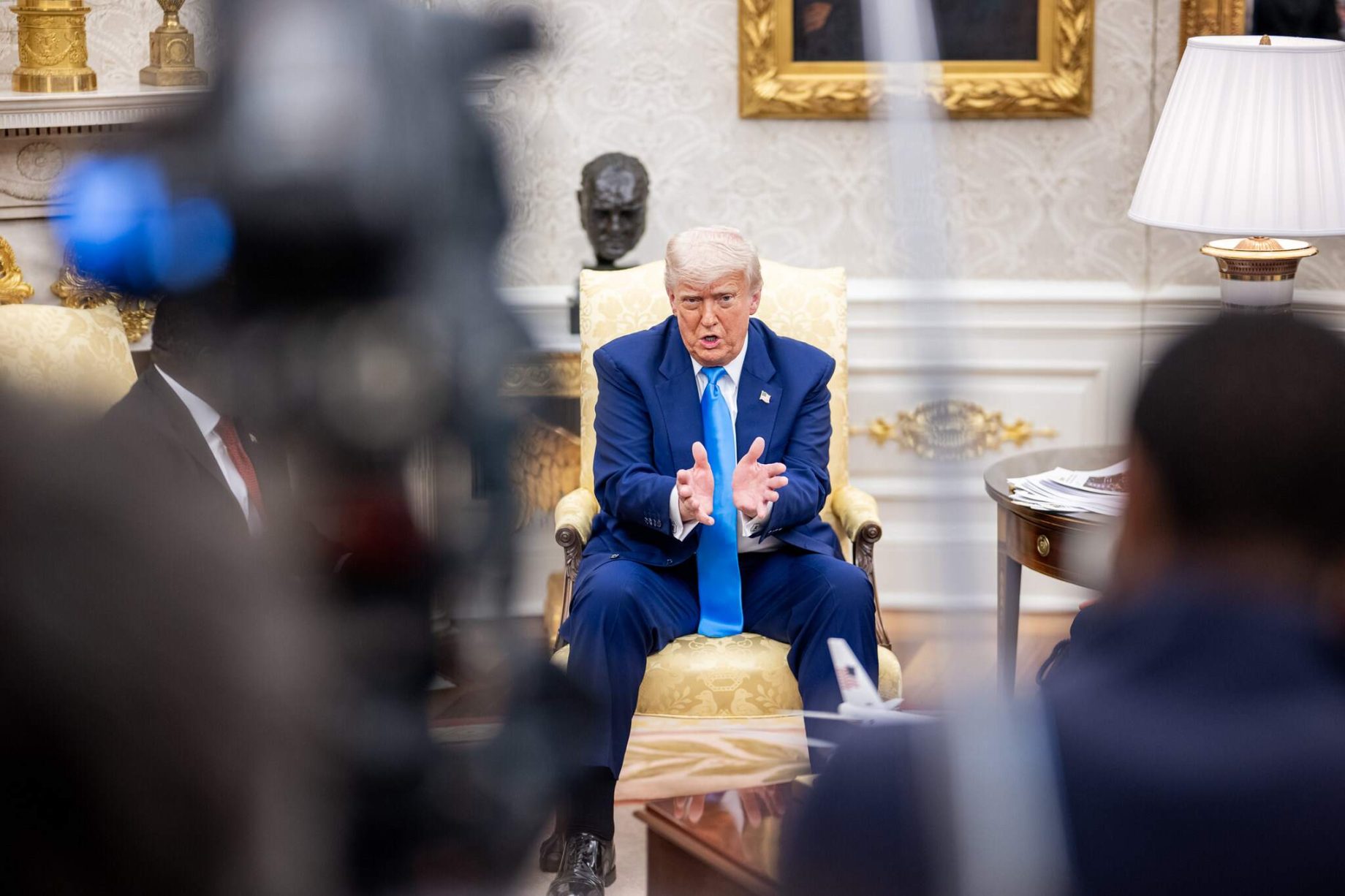
The upcoming meeting between U.S. President Donald Trump and Russian President Vladimir Putin, scheduled for Friday at Joint Base Elmendorf-Richardson in Anchorage, Alaska, has been described by the White House primarily as a “listening exercise” rather than a negotiation expected to end Russia’s invasion of Ukraine.
White House spokesperson Karoline Leavitt explained that the summit aims to help Trump better understand the conflict, but with only the Russian leader present from the war parties, its potential for direct agreements is limited.
Alaska’s selection as the venue, a state once part of Russia until sold to the U.S. in 1867, symbolises the meeting’s complex geopolitical nature. The absence of Ukraine and European allies from the talks has drawn criticism, with Ukrainian President Volodymyr Zelenskyy declaring, “it is impossible to talk about Ukraine without Ukraine, and no one will accept that.”
The EU reiterates support for Ukraine’s sovereignty and insists any peace discussion must respect its territorial integrity.
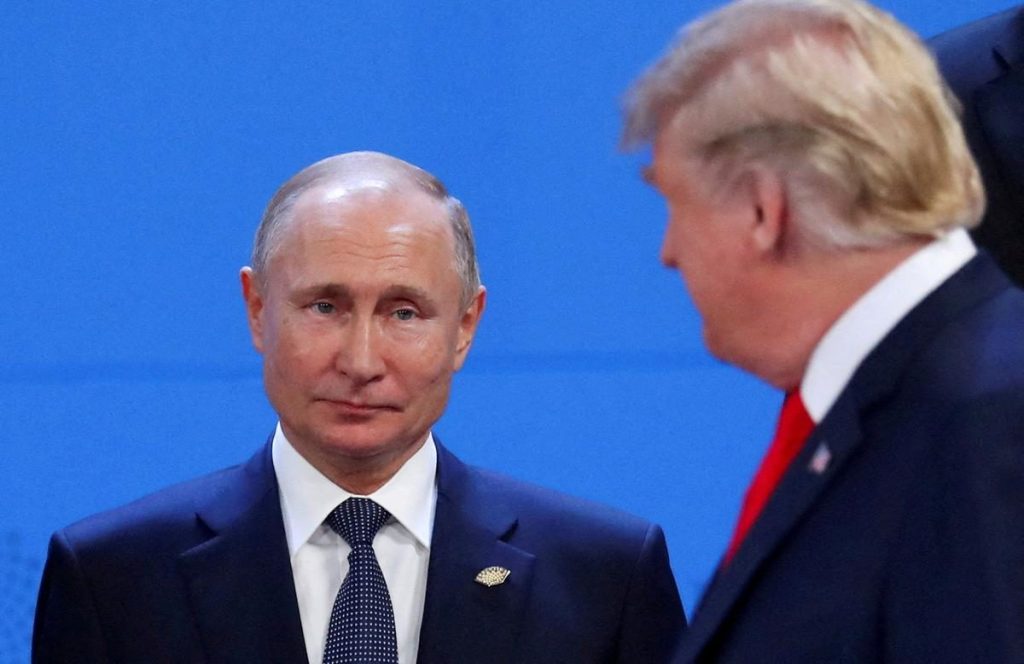
Moscow remains firm on demanding control over occupied lands, Ukraine’s abandonment of NATO ambitions, and broad “denazification” measures. Recent Russian offensives in eastern Ukraine suggest continued hostilities rather than progress toward a ceasefire.
Trump’s proposal of “land swapping” has alarmed Kyiv and allies, raising doubts about the summit’s potential, with experts viewing the meeting largely as political posturing rather than substantive diplomacy.
Meanwhile, Trump continues virtual talks with Ukraine and European leaders, while the U.S. increases economic pressure on Russia’s trade partners, recently imposing a 25% tariff on Indian imports linked to Russian oil purchases.